

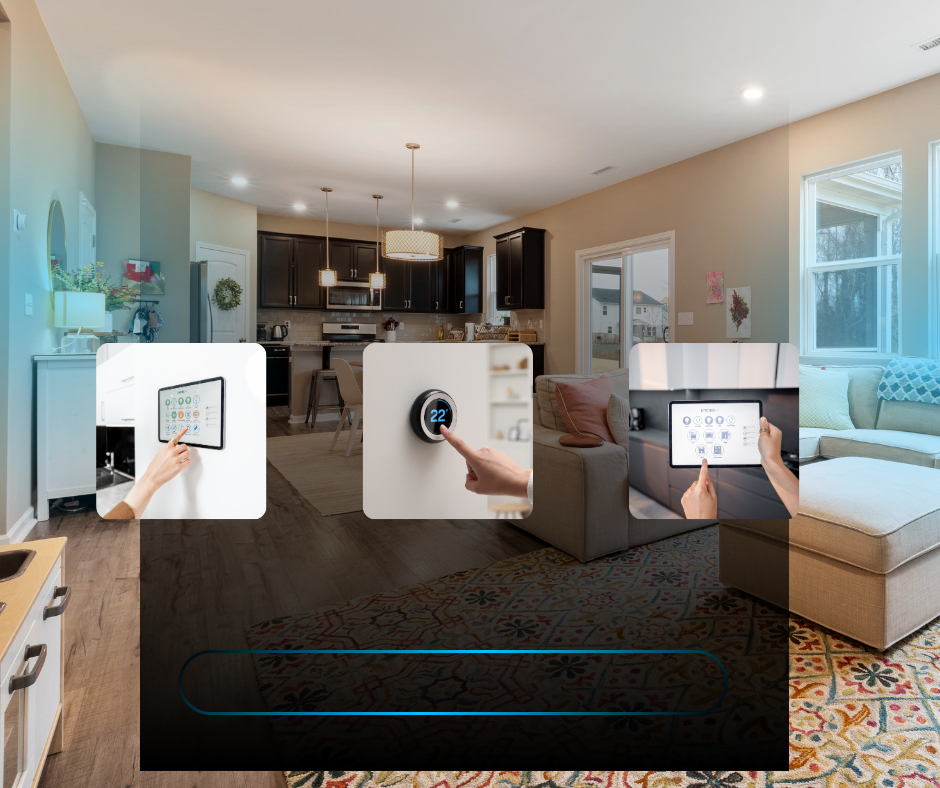
Why Voice Assistants Setup Is the Foundation of a Truly Smart Home
Welcome to Amazon Alexa vs. Google Home for Full Smart Home Automation. A voice-controlled smart home setup is no longer a luxury experiment. It is the backbone of modern living, where lighting, climate, security, and entertainment respond instantly to natural speech. The real challenge is not buying smart devices, but choosing the right ecosystem and setting it up correctly from day one.
We focus on Voice Assistants Setup with one clear goal: achieving full smart home automation that is reliable, scalable, and intuitive. This guide compares Amazon Alexa vs. Google Home, breaks down compatibility, and delivers practical checklists for building a system that works seamlessly.
Table of Contents
Understanding the Role of Voice Assistants in Smart Home Automation
Voice assistants act as the central command layer of a smart home. They translate spoken intent into automated actions across multiple devices and brands.
A strong setup enables:
- Hands-free control of lights, thermostats, plugs, locks, and media
- Routine-based automation triggered by voice, time, or conditions
- Unified control across different manufacturers
- Future expansion without rebuilding the system
Choosing the right assistant determines how flexible and future-proof the entire setup becomes.
Amazon Alexa vs. Google Home: Core Ecosystem Comparison
Amazon Alexa Ecosystem Overview

- Echo Pop – This compact smart speaker with Alexa features full sound that’s great for bedrooms and small spaces. Small e…
- Control music with your voice – Ask Alexa to play music, audiobooks, and podcasts from your favorite providers like Amaz…
- Make any space a smart space – Easily control compatible smart home devices like smart plugs or smart lights with your v…
Amazon Alexa is widely recognized for its device compatibility depth and mature automation framework.
Key strengths:
- Broadest third-party device support
- Advanced routine customization
- Local device control with select hubs
- Strong e-commerce and household integration
Alexa excels in homes with mixed-brand smart devices, offering granular control and extensive automation options.
Google Home Ecosystem Overview

- Enhanced Audio Quality: Delve into expansive, deeper sound with added bass, perfect for enjoying hits on Spotify, YouTub…
- Effortless Conveniance: Get updates on the weather, news, or nearly anything else. Easily set alarms, timers, and listen…
- Voice-Activated Home Automation: Command compatible devices like lights, thermostats, and TVs effortlessly with just you…
Google Home focuses on contextual intelligence and natural language understanding.
Key strengths:
- Superior voice recognition and conversational accuracy
- Deep integration with Google services
- Strong multi-user personalization
- Seamless Chromecast and Android compatibility
Google Home shines in environments centered around Google accounts, Android devices, and media consumption.
Voice-Controlled Smart Home Setup: Compatibility Checklist
Smart Lighting Compatibility
Before setup, confirm support for:
- Philips Hue
- TP-Link Kasa
- LIFX
- Nanoleaf
In Amazon Alexa vs. Google Home for full smart home automation, both support major brands like Philips Hue and Nest, but Alexa routines allow more advanced conditional triggers, while Google Home offers smoother voice interpretation.
Smart Thermostats and Climate Control
Recommended compatible devices:
- Nest Thermostat (optimized for Google Home)
- Ecobee (strong Alexa integration)
- Honeywell Home
In Amazon Alexa vs. Google Home for Full Smart Home Automation, Alexa offers more granular scheduling logic for climate control, while Google Home excels at learning-based temperature optimization.
Smart Plugs and Power Control
Supported brands include:
- Amazon Smart Plug
- Meross
- Wemo
- Gosund
Alexa provides faster onboarding for plugs, making it ideal for entry-level smart home setups.
Smart Security and Cameras
Key supported systems:
- Ring (Alexa-first)
- Arlo
- Eufy
- Wyze
Alexa integrates deeply with Ring, offering voice-activated live views and announcements. Google Home performs better with Nest cameras and facial recognition features.
How to Set Up Smart Home with Amazon Alexa
Initial Setup Process
- Install the Alexa app
- Connect Amazon Echo devices
- Enable device skills
- Assign rooms and groups
- Test voice commands
This process emphasizes device discovery speed and flexible grouping.
Building Advanced Alexa Routines
Alexa routines allow:
- Multi-step actions
- Conditional triggers
- Time-based execution
- Location-based automation
Examples:
- “Good morning” triggers lights, thermostat, and news
- Motion detection activates lights after sunset
- Voice command arms security system
This level of control makes Alexa ideal for complex automation workflows.
How to Set Up Smart Home with Google Home
Initial Setup Process
- Install Google Home app
- Add Google Nest devices
- Link supported smart services
- Assign rooms and users
- Calibrate voice match
Google Home emphasizes simplicity and personalization.
Automation and Routines in Google Home
Google routines focus on:
- Natural language triggers
- Personalized responses
- Time-based automations
- Household-wide actions
While routines are simpler than Alexa, they feel more human and conversational, especially in multi-user households.
Voice Assistants Setup for Multi-Room and Multi-User Homes
Room Grouping and Device Zones
Both platforms support:
- Room-based device grouping
- Floor-level organization
- Custom naming conventions
Amazon Alexa vs. Google Home for Full Smart Home Automation reveals Alexa offers greater naming flexibility, while Google Home provides cleaner visual management.
Voice Recognition Accuracy
Google Home leads in:
- Accent recognition
- Contextual follow-ups
- User-specific responses
Alexa performs well but relies more on explicit command phrasing.
Privacy, Security, and Data Control Considerations
Amazon Alexa Privacy Features
- Microphone mute buttons
- Voice history deletion
- Local device processing (select hubs)
- Granular permission controls
Google Home Privacy Features
- On-device voice processing (newer models)
- Activity auto-deletion
- Voice match isolation
- Transparent data dashboards
Amazon Alexa vs. Google Home for Full Smart Home Automation shows both platforms offer strong privacy controls, but Google Home emphasizes transparency, while Alexa emphasizes configurability.
Choosing the Best Voice Assistant for Full Smart Home Automation
Choose Amazon Alexa If:
- You use multiple smart device brands
- You want advanced automation logic
- You prioritize routines and triggers
- You plan large-scale smart home expansion
Choose Google Home If:
- You rely on Google services daily
- You value natural conversation
- You prioritize media and voice accuracy
- You want simple, clean automation
Future-Proofing Your Voice-Controlled Smart Home Setup
A successful how to set up smart home strategy focuses on:
- Open standards support
- Matter and Thread compatibility
- Scalable automation logic
- Consistent ecosystem investment
Both Alexa and Google Home are evolving toward Matter-enabled interoperability, reducing long-term ecosystem lock-in.
Final Thoughts on Voice Assistants Setup
The difference between a frustrating smart home and a seamless one lies in planning Amazon Alexa vs. Google Home for Full Smart Home Automation correctly. Amazon Alexa delivers unmatched automation depth, while Google Home provides unmatched conversational intelligence. The best choice depends on how you live, not just what devices you own.
Find more article Here