

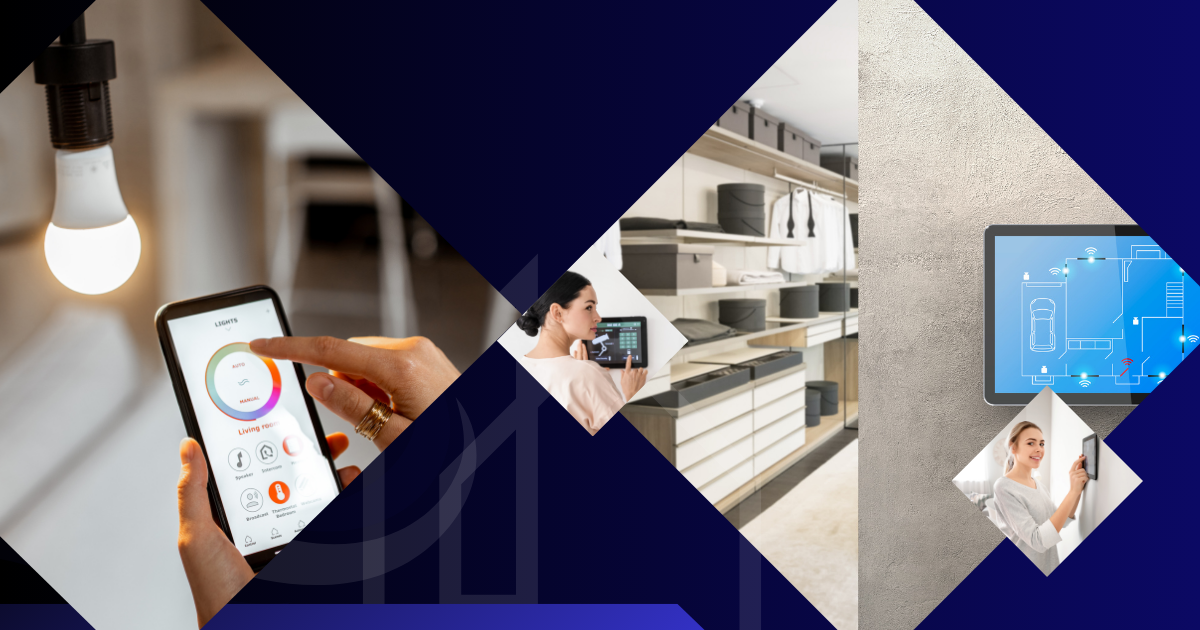
Introduction to Smart Lighting Systems
Smart homes aren’t a futuristic dream anymore—they’re here, practical, and surprisingly easy to adopt. Smart Lighting Guides exist for one simple reason: lighting is often the first, smartest step into home automation. It’s affordable, scalable, and instantly impactful.
Smart lighting goes beyond turning lights on and off. It blends technology, efficiency, and lifestyle into a single system that adapts to how you live. Whether you’re working late, hosting friends, or winding down after a long day, lighting quietly shapes your experience.
More importantly, smart lighting systems now cater to every budget and skill level. You don’t need to be tech-savvy. You don’t need to rewire your house. With the right guidance—and that’s exactly what these Smart Lighting Guides provide—you can get meaningful results fast.
Table of Contents
Core Components Explained
Understanding the building blocks is key. Once you know what each component does, choosing the right setup feels far less overwhelming.
Smart Bulbs vs Smart Switches
Smart bulbs are the most popular entry point. They screw into existing sockets and connect via Wi-Fi, Zigbee, or Bluetooth. You control brightness, color temperature, and sometimes millions of colors.
Smart switches, on the other hand, replace traditional wall switches. They control entire circuits, making them ideal for rooms with multiple lights. While installation may require basic electrical knowledge, the payoff is reliability and shared control.
Quick comparison:
| Feature | Smart Bulbs | Smart Switches |
|---|---|---|
| Installation | Very easy | Moderate |
| Control | Individual lights | Entire room |
| Cost | Lower upfront | Higher upfront |
| Ideal for | Renters | Homeowners |
Hubs, Bridges, and Controllers
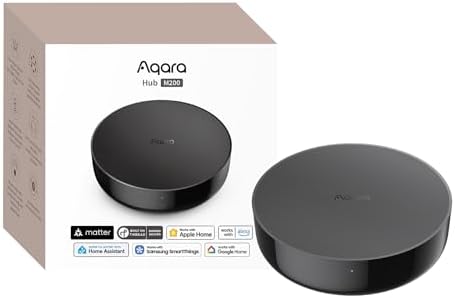
- [Multi-Protocol Hub with Matter Bridge] The Aqara Hub M200 is a versatile smart hub that supports multiple advanced feat…
- [Smart IR Blaster with Feedback and Learning] The 360°IR blaster not only sends commands but also provides accurate stat…
- [Wired & Wireless Connectivity with PoE Support] Enjoy flexible setup with dual-band Wi-Fi (2.4/5 GHz) using advanced WP…
Some smart lighting systems require a hub or bridge. These devices act as translators between your lights and your phone or voice assistant. Brands like Philips Hue rely on hubs for stability and faster response times.
While hub-free systems are convenient, hub-based systems often scale better. According to Smart Lighting Guides, hubs reduce Wi-Fi congestion and improve automation reliability—something worth considering long-term.
For authoritative product ecosystems, you can explore trusted manufacturers such as Philips Hue via their official site .
Benefits of Smart Lighting
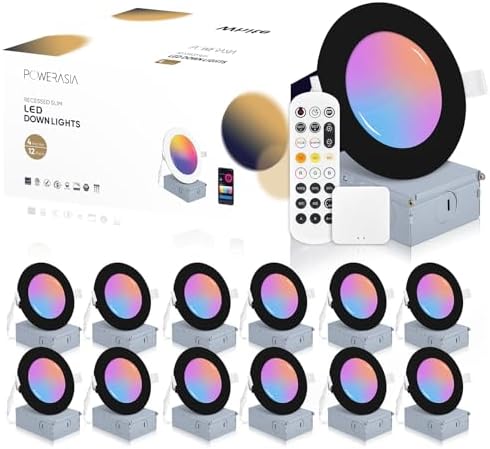
- 💡【APP Intelligent Control】 ① Download the APP named TuYa Smart. ② Then follow the instructions to turn on/off the recess…
- 💡【Stable & with Hub】 These recessed lights 4 inch use an upgraded chip with a more stable connection system. At the same…
- 💡 【Voice Control】 The smart recessed lighting 4 inch compatible with Alexa and Google Assistant. Control your recessed l…
Smart lighting isn’t about flashy tech. It’s about real, everyday improvements that quietly add value.
Energy Efficiency and Cost Savings
Smart lighting systems help reduce wasted energy through:
- Motion detection
- Scheduled shut-offs
- Adaptive brightness
LED smart bulbs already consume less power. Add automation, and you can cut lighting costs significantly over time. According to many Smart Lighting Guides, energy savings alone often justify the investment.
Convenience, Comfort, and Automation
Let’s be honest—nobody enjoys getting up to turn off lights. Smart lighting solves that with:
- Voice control
- App control from anywhere
- Automatic scenes
Imagine lights that dim gradually at night or brighten gently in the morning. It’s not just convenient—it’s human-centric design that supports better routines.
Choosing the Right Smart Lighting Solution
Picking the right system matters more than buying the most expensive one.
Compatibility and Ecosystems
Before buying, check compatibility with:
- Alexa
- Google Assistant
- Apple Home
Staying within one ecosystem prevents headaches later. Most Smart Lighting Guides strongly recommend avoiding mixed platforms unless you’re experienced.
Installation Considerations
Ask yourself:
- Are you renting or owning?
- Do you want plug-and-play or permanent wiring?
- How many rooms will you automate?
Answering these honestly narrows options fast and prevents overspending.
Smart Lighting Setup and Optimization

- [Smart Lamp with RGB+IC (Independent Control) LEDs] – The 196 addressable LED lights in the tabletop lamp ensure smooth …
- [DIY with Inspiration] – You can set each segment to a specific color and brightness individually and create a myriad of…
- [Lepro LightGPM 4 – Personalized AI Lighting Designer] – No more generic lighting! Just tell LightGPM 4 what you love, a…
Once installed, optimization is where the magic happens.
Step-by-Step Setup Basics
- Install bulbs or switches
- Download the manufacturer’s app
- Connect to Wi-Fi or hub
- Assign rooms and names
It usually takes under 30 minutes. Seriously—it’s easier than setting up a new phone.
Automation, Scenes, and Schedules
Scenes let you control multiple lights at once. Schedules automate daily routines. Together, they turn lighting into a set-and-forget system.
Smart Lighting Guides consistently show that users who use automation report higher satisfaction than manual users.
Smart Lighting for Different Rooms
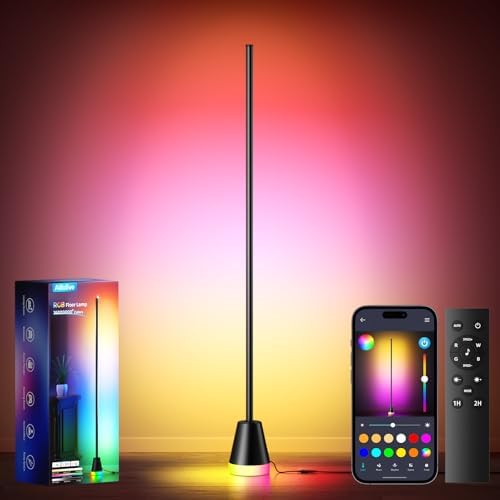
- 16 Million Colors & Dynamic Lighting Effects: The RGB floor lamp supports 16 million colors and multiple dynamic lightin…
- Music Sync: The floor lamps for living room can synchronize lighting effects with music sound waves and rhythms in real …
- Smart Control: The floor lamp for bedroom can be adjusted freely via the Alfolive APP for color, brightness, and dynamic…
Every room has unique lighting needs.
Living Rooms and Bedrooms
Focus on:
- Warm tones
- Dimming capability
- Scene presets
These spaces benefit most from mood-based lighting.
Kitchens, Bathrooms, and Outdoors
Here, clarity and safety matter:
- Bright white lighting
- Motion sensors
- Waterproof ratings
Outdoor smart lighting also boosts curb appeal and security.
Security, Privacy, and Reliability
Smart doesn’t mean careless. Data Protection Basics
Use:
- Strong passwords
- Two-factor authentication
- Regular firmware updates
Reputable brands prioritize user privacy.
Network Stability Tips
Place hubs centrally. Avoid overcrowding Wi-Fi. If needed, use mesh networks for consistent performance.
Future Trends in Smart Lighting
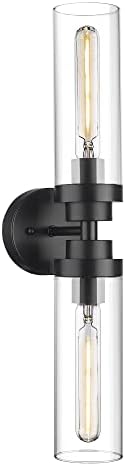
- [Trending Design] This black bathroom lights over mirror is made of sturdy metal and clear glass,cylinder glass shades a…
- [BULB REQUIREMENTS]This bathroom vanity light can be installed on your wall in a vertical or horizontal position, requir…
- [Dimension] Overall: 21.69″W x5.12″E x4.72″H, Back Plate: 4.72″ Dia. 110-120V AC hardwired. Includes all mounting hardwa…
The future is adaptive.
AI, Sensors, and Adaptive Lighting
Upcoming systems will:
- Adjust to your mood
- React to daylight automatically
- Learn your habits
Smart lighting is evolving from controlled tech to intuitive environments.
Frequently Asked Questions
Q1: Are smart lights hard to install?
No. Most are plug-and-play and beginner-friendly.
Q2: Do smart lights increase electricity bills?
Actually, they often reduce bills through efficiency.
Q3: Can smart lighting work without internet?
Some features do, but full control usually needs internet.
Q4: Are smart lights safe for privacy?
Yes, when using trusted brands and proper security settings.
Q5: How long do smart bulbs last?
Typically 15,000–25,000 hours.
Q6: Can I expand my system later?
Absolutely. Scalability is a core benefit highlighted in Smart Lighting Guides.
Conclusion
Smart lighting isn’t a luxury anymore—it’s a smart, practical upgrade that improves daily life. With the right Smart Lighting Guides, anyone can design a lighting system that’s efficient, flexible, and future-ready.
Find more article Here