

Introduction to Raised Bed Gardening
Raised Bed Gardening for Beginners is one of the most efficient and beginner-friendly ways to grow vegetables, herbs, and flowers. By growing plants in elevated soil beds instead of ground-level soil, we gain better control over soil quality, drainage, spacing, and maintenance. This method allows us to create the perfect growing environment regardless of native soil conditions, making it ideal for beginners who want reliable results.
With the right setup, raised beds produce higher yields, healthier plants, and easier maintenance, making them a preferred choice for home gardeners worldwide. In this complete guide, we cover everything needed to start successfully, from choosing materials to planting and maintaining a productive raised bed garden.
Table of Contents
What Is Raised Bed Gardening
Raised Bed Gardening for Beginners is the practice of growing plants in soil that is contained within a framed structure above ground level. The frame can be made from wood, metal, stone, or composite materials, and it is filled with nutrient-rich soil.
The main characteristics of raised beds include:
- Soil raised above ground level
- Defined borders for planting
- Improved drainage and aeration
- Controlled soil composition
- Easier weed management
Because we control the soil and layout, raised beds are perfect for beginners who want predictable, high-quality harvests.
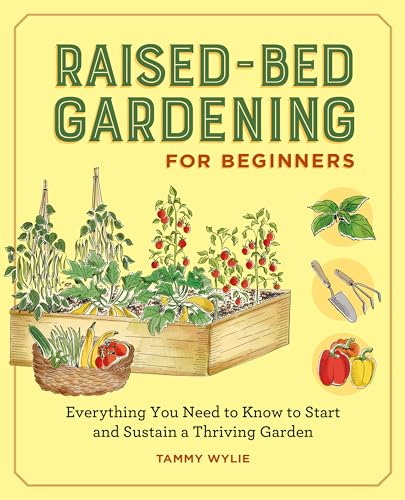
Benefits of Raised Bed Gardening
Better Soil Quality
In traditional gardening, plants must grow in existing soil, which may be poor or compacted. With raised beds, we fill the bed with high-quality soil mix, ensuring optimal nutrients and structure.
Improved Drainage
Raised beds prevent waterlogging by allowing excess water to drain easily. This protects plant roots and reduces disease.
Less Weeding
Because the soil is controlled, fewer weeds appear. This makes maintenance easier and saves time.
Higher Productivity
Raised beds allow closer spacing, meaning we can grow more plants in less space.
Easier Access
Raised beds reduce bending and strain, making gardening more comfortable for beginners and older gardeners.
Extended Growing Season
Soil in raised beds warms faster in spring, allowing earlier planting and longer harvest periods.

Choosing the Right Location
The success of a raised bed garden depends heavily on placement. We must select a location that provides the best growing conditions.
Sunlight Requirements
Most vegetables need 6–8 hours of direct sunlight daily. Choose a location that receives full sun for most of the day.
Good Drainage
Avoid areas where water collects after rain. Raised beds drain well, but proper placement prevents excess moisture.
Easy Access
Place the bed where it is easy to water, harvest, and maintain. Convenience encourages consistent care.
Level Ground
A flat surface ensures even soil depth and proper drainage.
Best Materials for Raised Beds
We can build raised beds using several materials, each with advantages.
Wood Raised Beds
Wood is the most common choice because it is easy to build and affordable.
Best wood types:
- Cedar
- Redwood
- Untreated pine
These resist rot and last longer outdoors.
Metal Raised Beds
Metal beds are durable and modern. They last longer than wood and resist pests.
Stone or Brick Beds
Stone beds are permanent and very strong, but more expensive and harder to build.
Composite Beds
Composite materials resist rot and require little maintenance.
For beginners, wooden raised beds are the best option because they are simple to build and cost-effective.
Ideal Size for Raised Beds
Correct size makes gardening easier and more productive.
Recommended dimensions:
- Width: 3–4 feet (90–120 cm)
- Length: 6–8 feet (180–240 cm)
- Height: 10–18 inches (25–45 cm)
A bed should be narrow enough to reach the center without stepping inside. Stepping on soil compacts it and harms plant roots.
Best Soil Mix for Raised Beds
Soil quality is the most important factor in raised bed gardening. We should never use regular garden soil alone.
Ideal raised bed soil mix:
- 40% topsoil
- 40% compost
- 20% organic material (peat moss or coco coir)
This mixture provides:
- Good drainage
- High nutrients
- Soft structure for roots
Adding compost every season keeps the soil fertile.
What to Grow in Raised Beds
Raised beds are perfect for many plants, especially vegetables and herbs.
Best Vegetables for Beginners
- Lettuce
- Tomatoes
- Carrots
- Cucumbers
- Peppers
- Spinach
- Radishes
- Beans
These grow quickly and produce reliable harvests.
Best Herbs for Raised Beds
- Basil
- Mint
- Parsley
- Thyme
- Rosemary
- Cilantro
Herbs grow well in raised beds because of excellent drainage.
Flowers for Raised Beds
Flowers attract pollinators and improve garden health.
Good choices:
- Marigolds
- Zinnias
- Petunias
- Sunflowers
- Lavender
How to Plant in Raised Beds
Proper planting ensures strong growth and high yields.
Spacing Plants Correctly
Raised beds allow closer spacing, but plants still need room to grow.
Follow seed packet spacing guidelines, but use square foot gardening for efficiency.
Planting in Rows or Grids
Grid planting uses space better than rows and reduces weeds.
Watering After Planting
Water thoroughly after planting to help roots settle.
Watering Raised Bed Gardens
Raised beds dry faster than ground soil, so watering must be consistent.
Best watering tips:
- Water early morning
- Keep soil moist, not wet
- Use drip irrigation if possible
- Mulch to keep moisture
Mulch options:
- Straw
- Wood chips
- Leaves
- Grass clippings
Mulch also reduces weeds and keeps soil cool.
Fertilizing Raised Beds
Because plants grow closely, nutrients are used faster.
Best fertilizers:
- Compost
- Organic fertilizer
- Worm castings
- Fish emulsion
Feed plants every few weeks during the growing season.
Healthy soil produces healthy plants.
Common Mistakes Beginners Should Avoid
Using Poor Soil
Low-quality soil leads to weak plants.
Overwatering
Too much water causes root rot.
Planting Too Close
Crowded plants compete for nutrients.
Ignoring Sunlight
Without enough sun, plants grow slowly.
Skipping Compost
Compost keeps soil fertile every year.
Avoiding these mistakes makes raised bed gardening much easier.
Seasonal Care for Raised Beds
Spring
- Add compost
- Prepare soil
- Plant cool-season crops
Summer
- Water regularly
- Harvest often
- Add mulch
Fall
- Plant late crops
- Clean beds
- Add organic matter
Winter
- Cover soil
- Protect beds
- Plan next season
Year-round care keeps raised beds productive.
Why Raised Bed Gardening Is Perfect for Beginners
Raised Bed Gardening for Beginners simplifies gardening by giving full control over soil, spacing, and watering. Beginners can avoid many common problems found in traditional gardening.
Advantages include:
- Faster growth
- Fewer weeds
- Less effort
- Higher harvest
- Better soil control
- Cleaner vegetables
With proper setup, raised beds can produce food for many years with minimal maintenance.
Conclusion
Raised Bed Gardening for Beginners is the easiest and most effective way to start growing plants at home. By choosing the right location, building a strong bed, using high-quality soil, and maintaining regular care, beginners can create a productive, healthy, and long-lasting garden even with no previous experience.
This method allows beginners to grow vegetables, herbs, and flowers with confidence while enjoying better results than traditional gardening. With the knowledge in this guide, we can start a raised bed garden that produces abundant harvests season after season.
Find more article Here